
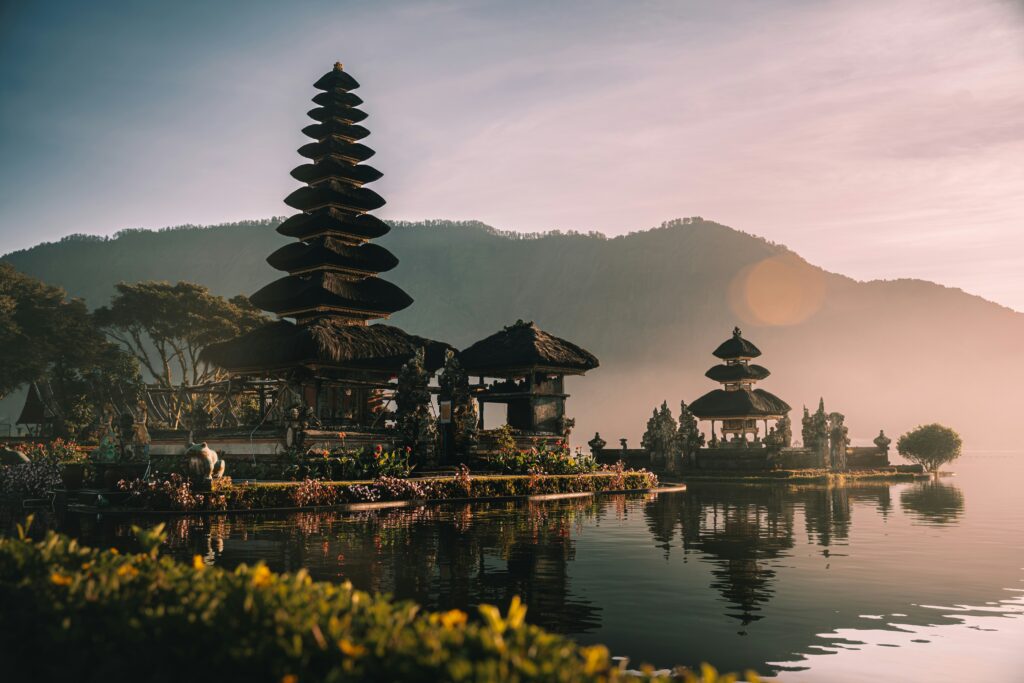
A practical snapshot for overseas retirees
Best for
Retirees seeking a warm climate and strong lifestyle focus
People comfortable with flexible living arrangements rather than formal residency
Those drawn to wellness, community, and outdoor living
Retirees who value daily quality of life over long-term certainty
At a glance
- Cost of living: Low to Moderate
- Healthcare: Basic to Good
- Residency: Challenging
- English: Moderate to High
Cost of living overview
Bali offers a cost of living that many retirees find attractive, particularly for daily expenses such as food, transportation, and personal services. Dining out, household help, and wellness services are widely affordable.
Housing costs vary significantly depending on location, privacy, and amenities. Popular expat areas and modern villas can be costly, while more traditional housing and less developed areas offer much lower monthly expenses.
Living comfortably in Bali often depends on lifestyle choices rather than fixed budgets. Costs can remain low with a simple approach or rise quickly when convenience and luxury are prioritized.
Healthcare reality
Healthcare in Bali is adequate for routine needs but limited for advanced care.
Private clinics and international-standard facilities handle basic medical issues and are commonly used by foreign residents. English-speaking providers are available, particularly in expat-heavy areas.
For serious or complex medical conditions, many retirees plan to travel to larger medical hubs in the region. As a result, healthcare in Bali requires planning rather than assumption, especially for long-term residents.
Residency basics
Bali does not offer a straightforward retirement residency pathway.
Long-term stays typically rely on renewable visas, sponsorship arrangements, or periodic exits. Rules are clearly defined but can change, and compliance requires ongoing attention.
Many retirees living in Bali do so with flexibility, treating it as a lifestyle base rather than a permanent legal home.
What it feels like to live in Bali
Living in Bali often feels relaxed, social, and visually immersive.
Daily life is shaped by outdoor living, community interaction, and a strong service culture. Wellness, spirituality, and creative pursuits play a visible role in expat communities, particularly in certain regions.
Culturally, Bali blends traditional customs with a large international presence. This creates an environment that feels welcoming but distinct. For retirees open to adaptation and informality, the lifestyle can feel enriching. For others, the lack of structure may feel uncertain.
Lifestyle & trade-offs
Why people choose Bali
- Warm climate and natural beauty
- Affordable daily services and dining
- Active wellness and expat communities
- Relaxed, outdoor-focused lifestyle
- Strong English usage in many areas
Common challenges
- Limited healthcare for advanced needs
- Lack of permanent residency options
- Infrastructure strain in popular areas
- Traffic and seasonal crowding
Who Bali is not for
Bali may not suit retirees seeking long-term residency security, advanced healthcare access, or highly reliable infrastructure. It can also frustrate those who prefer clear systems, privacy, or minimal tourism influence.
Common Questions
Can I actually stay in Bali long-term without constantly doing visa runs?
The short answer is: it’s possible, but it requires ongoing management. Indonesia offers several visa options that can extend your stay—including social-cultural visas and retirement visas that can be renewed—but none provide the permanence of formal residency. Most long-term retirees work with visa agents to handle renewals or use sponsorship structures through Indonesian entities. The process is doable but not set-and-forget, and regulations can shift. Treating Bali as a flexible base rather than a locked-in residency works best for most retirees.
Is Bali still affordable with all the recent tourism development?
Bali remains affordable compared to Western countries, but costs have risen noticeably in popular expat areas like Canggu, Seminyak, and Ubud. You’ll still find inexpensive local food, affordable services, and low transportation costs, but housing, imported goods, and westernized dining can approach or exceed costs in mid-tier cities back home. The key is lifestyle calibration—retirees who embrace local options and avoid high-traffic tourist zones can live very affordably. Those seeking Western comforts in prime locations will pay accordingly.
What’s the reality of dealing with Indonesia’s bureaucracy as a retiree?
Indonesian bureaucracy can be opaque, slow, and inconsistent. Processes that should be straightforward often require multiple visits, unclear documentation, or unexpected fees. Most expat retirees hire local agents or fixers to navigate visa extensions, bank accounts, vehicle registration, and other administrative needs. This adds cost but saves significant frustration. The system isn’t designed for foreigners to navigate independently, and self-sufficiency in paperwork is rare. Patience and local connections are essential.
Can I own property, or am I stuck renting forever?
Foreigners cannot own freehold land in Indonesia. The most common workaround is leasehold arrangements—typically 25-30 year leases with renewal options—or setting up an Indonesian legal entity (PT PMA) to hold property, which comes with costs and complexity. Some retirees use nominee structures, though these carry legal risks. Renting remains the simpler, more flexible option for most, especially given visa uncertainties. Property ownership in Bali is possible, but it’s neither straightforward nor fully secure.
Want the deeper comparison?
This profile covers the fundamentals.
Overseas by Design evaluates Bali alongside other retirement destinations by examining real monthly budgets, residency pathways, healthcare access, and the practical trade-offs that emerge when locations are assessed using the same framework.