
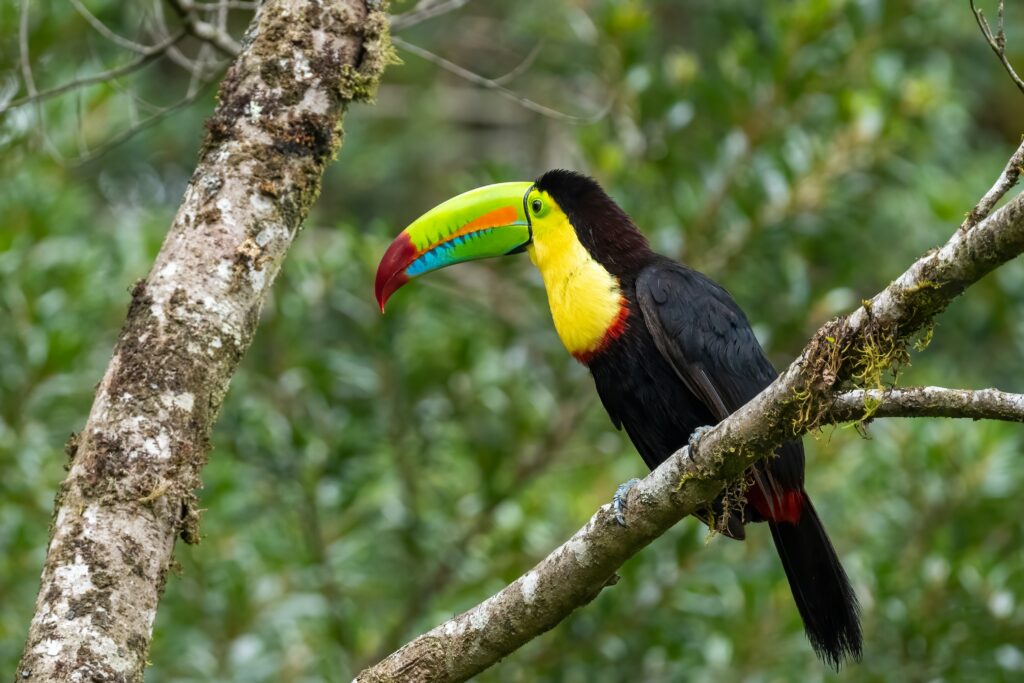
A practical snapshot for overseas retirees
Best for
- Retirees seeking stability, predictability, and a well-trodden expat path
- People who value healthcare access and environmental quality over rock-bottom costs
- First-time expats who want support, familiarity, and options
- Active retirees who enjoy nature, community, and a slower pace
At a glance
- Cost of living: Higher
- Healthcare: High quality
- Residency: Moderate
- English: Moderate
Cost of living overview
Costa Rica sits in an in-between space: more affordable than much of North America, but noticeably more expensive than some neighboring countries. Everyday costs—groceries, utilities, transportation—are reasonable, but housing prices in popular coastal and expat-heavy areas can surprise newcomers.
Many retirees find that their costs stabilize once they move away from the most talked-about destinations and adjust expectations around housing size and imported goods. Living “like a local” here isn’t a slogan—it has a real impact on monthly expenses.
Healthcare reality
Healthcare is one of Costa Rica’s strongest confidence builders for new expats. The public system (Caja) offers comprehensive coverage at a manageable cost once enrolled, while the private system provides quick access, modern facilities, and many English-speaking doctors.
For many retirees, healthcare here feels reassuring rather than stressful. Appointments are accessible, care is generally personal, and the combination of public and private options allows people to tailor coverage to their comfort level.
Residency basics
Costa Rica offers well-established residency programs for retirees, typically based on pension income or demonstrable monthly income. The rules are clear, but the process requires patience—documents, translations, and waiting periods are part of the experience.
For most retirees, residency feels achievable rather than intimidating, provided expectations are realistic. Many people begin by living in-country while their application is processed, gradually learning how systems work along the way.
What it feels like to live in Costa Rica
For new expats, Costa Rica often feels welcoming but not effortless.
The culture values politeness, patience, and personal relationships over speed and efficiency. Things tend to move more slowly than many North Americans expect, but rarely feel chaotic. There’s a strong sense of environmental pride, a visible middle class, and an emphasis on quality of life over material display.
You’ll hear “pura vida” often—not as a marketing slogan, but as a shorthand for a cultural attitude that prioritizes balance, kindness, and perspective. For some, that’s deeply refreshing. For others, it can be an adjustment.
Lifestyle & trade-offs
Why people choose Costa Rica
- Political stability and long-standing democratic institutions
- Reliable infrastructure relative to the region
- Excellent healthcare options
- Diverse geography: beaches, rainforests, and cooler mountain towns
- Established expat communities for support and connection
Common challenges
- Rising costs in popular areas
- Bureaucracy that rewards patience, not urgency
- Tourist-heavy regions that can feel crowded or commercialized
- Import taxes that make certain goods expensive
Who Costa Rica is not for
Costa Rica may not suit retirees on very tight budgets, those seeking a deeply traditional Latin experience untouched by tourism, or anyone who expects fast, frictionless bureaucracy. It can also frustrate people who equate efficiency with quality of life.
Common Questions
Is Costa Rica still a good value, or have prices gotten out of control?
Costa Rica is no longer the budget destination it once was, but “value” depends on what you’re comparing it to. Housing in popular beach towns and expat hubs like Tamarindo, Jacó, or Manuel Antonio can rival or exceed U.S. prices. The Central Valley and less-touristy areas offer better affordability, especially for those willing to live in local neighborhoods rather than gated communities. Imported goods carry heavy taxes, driving up costs on electronics, vehicles, and familiar brands. Local produce, services, and healthcare remain reasonably priced. Most retirees find Costa Rica offers good value if they adapt their lifestyle, but it’s not a place where a modest budget stretches as far as it does in neighboring countries.
Should I use the public healthcare system (Caja) or go private?
Most retirees use a combination of both. Caja (the public system) provides comprehensive coverage at low cost once you’re enrolled, but appointments can have wait times and facilities vary in quality. Private healthcare offers faster access, English-speaking doctors, and more comfortable settings, with costs still well below U.S. levels. Many retirees join Caja for major coverage and catastrophic care, then pay out-of-pocket or use supplemental insurance for private clinics when speed or convenience matters. The choice isn’t either/or—it’s about understanding what each system does well and using them strategically based on your needs and budget.
What’s the pensionado residency program, and how hard is it to qualify?
The pensionado program grants residency to retirees with a qualifying pension or stable income—currently around $1,000 per month from a verifiable source like Social Security or a private pension. The application requires authenticated documents, background checks, proof of income, and patience—processing can take 6-12 months or longer. You’ll need translations, apostilles, and often legal assistance to navigate the bureaucracy correctly. Once approved, you gain renewable residency, access to Caja healthcare, and import benefits. It’s achievable for most retirees with legitimate pensions, but it’s neither quick nor simple. The program is well-established, though, so the path is clear even if the timeline isn’t.
Can I get by without Spanish in Costa Rica’s expat communities?
You can survive without Spanish in established expat areas, but you’ll be limited. Many businesses, medical offices, and service providers in tourist zones have English speakers, and expat communities offer built-in support networks. However, government offices, utilities, local landlords, and most interactions outside these bubbles require Spanish. Relying entirely on English means paying more for bilingual services, depending on others for basic tasks, and missing out on cultural integration. Most retirees find that learning conversational Spanish significantly improves their experience and independence, even in expat-friendly areas. You won’t be stranded without it, but you’ll live more comfortably and affordably with it.
Want the deeper comparison?
This profile covers the fundamentals.
Overseas by Design compares Costa Rica directly with other retirement destinations—looking at real monthly budgets, residency pathways, healthcare access, and the trade-offs that only become clear when you compare countries side by side.