
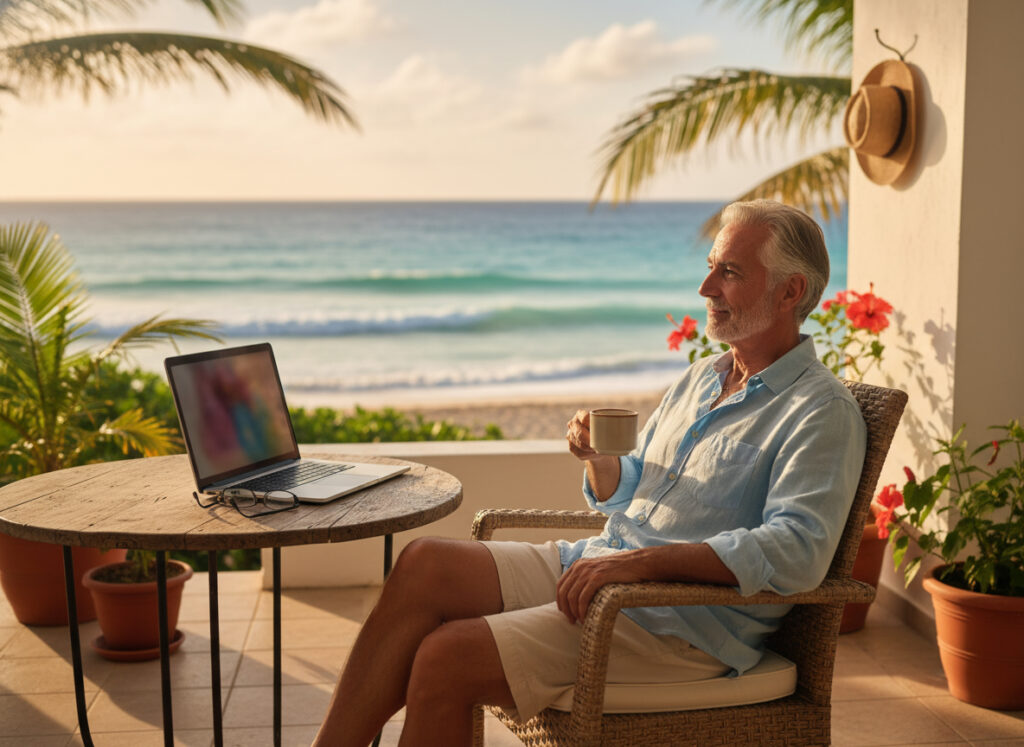
For years, I had a dream. I’d run a little beach bar somewhere warm. Cold drinks, good stories, and the sound of waves in the background. I’d tend bar a few hours a day, swap tales with travelers and locals, and somehow call it a living. It was a great dream. Letting my retirement pay for itself.
Then I actually started looking into it.
The financial exposure alone was enough to give me pause. Add in the administrative headaches, staffing issues, licensing, inventory… let’s just say the dream got a reality check pretty quickly. The beach was still appealing. The bar ownership part? Not so much.
But that didn’t stop me from dreaming. The dream didn’t disappear, it just got smarter. Maybe I don’t need to own the bar. Maybe I just spend a few hours a week working in someone else’s. Same beach, same conversations, a lot fewer headaches. And honestly, that version sounds pretty good too.
I share that because it captures something I keep seeing in expat communities. The original vision of retirement shifts when you get up close to it. And often, what replaces it is something more practical, more enjoyable, and sometimes a little more financially savvy than the first idea ever was.
A lot of people picture retirement as the finish line. You cross it, you stop working, and you live off whatever you’ve saved. But for a growing number of retirees living abroad, something interesting is happening. They’re not just spending their savings. They’re adding to them, in ways they actually enjoy.
The Month-to-Month Worry Is Real
If you’re counting on a pension or Social Security alone, or even a modest retirement account, the math can feel tight. Especially when you’re trying to actually enjoy your retirement, not just survive it.
Living overseas can stretch your dollar significantly, and that’s a big part of why so many people consider it. But “more affordable” doesn’t mean “free,” and costs can creep up depending on where you land. Beach towns in Costa Rica, for example, tend to run noticeably higher than areas further inland.
So what do you do if you want the lifestyle but you’re not sure your savings will hold up over a 20 or 30-year retirement?
For a lot of people, the answer isn’t going back to work in any traditional sense. It’s finding something that brings in a little income on the side, something that fits around the life you’re actually trying to live.
What We’re Planning to Do
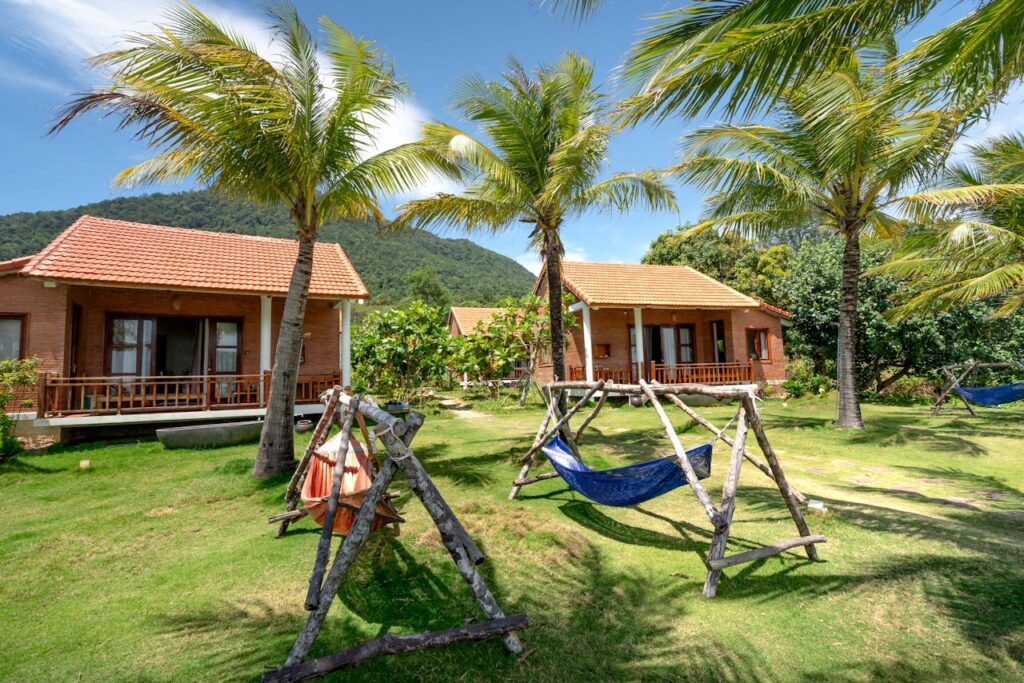
When we purchase property in Belize, the plan is to include a couple of casitas. Small, separate units on the property that we can rent out, either short-term to travelers or longer-term to other expats or locals.
It won’t make us rich. That’s not the point. But it could cover a good chunk of our monthly expenses, like utilities, groceries, or the occasional trip. That kind of cushion changes the feeling of retirement entirely. Instead of watching the account balance go down every month, you’ve got something coming in.
Property rental isn’t for everyone, and it does come with its own responsibilities. But for people who are already thinking about buying property abroad, it’s worth asking: could part of that property work for you while you enjoy the rest of it?
Other Ways Retirees Are Earning Income Abroad
If owning rental property doesn’t fit your situation, there are other paths people are quietly taking.
Consulting or freelancing in your field
Whatever career you left behind, there’s a good chance someone somewhere still wants your expertise. Lawyers, accountants, marketing professionals, engineers, teachers. Many retirees find that a few hours a week of consulting work, done remotely, brings in meaningful income without consuming their time. You set the hours and choose the clients. You work from a porch in the tropics if you want.
Teaching English
This one is more common than you might think. In many countries, conversational English instruction is in high demand, and you don’t always need formal teaching credentials to do it. It can be done in person or online, and it tends to connect you with the local community in ways that pure tourism never does.
Online or remote work
The rise of remote work has made it easier than ever to earn income from anywhere with a decent internet connection. Freelance writing, virtual assistance, bookkeeping, graphic design, coaching. If you have a skill that can be delivered digitally, geography stops being a barrier.
Building something small around what you love
This is the one that shows up most in expat communities. Someone who loves cooking starts offering small-group dinners for tourists. A photographer starts leading photo walks. A gardener starts a small nursery. These aren’t big businesses. But they bring in some income, they keep people engaged, and they grow naturally out of what that person was going to be doing anyway.
The key here isn’t ambition. It’s alignment. The best version of this isn’t grinding through work you hate to pad your savings. It’s finding something that fits the life you’re already building and happens to pay a little.
This Isn’t About Going Back to Work
Now I want to be clear about something, because I think it matters.
This isn’t about working through retirement because you couldn’t save enough. It’s about recognizing that for a lot of us, a clean break from all earning at a fixed age isn’t necessarily what we want, and it might not be what we need financially either.
The people I keep reading about in expat communities, the ones who started small businesses or picked up consulting work, most of them say the same thing. It gave them a sense of purpose. It connected them to the community. And yes, it took some of the financial pressure off.
That’s not failure. That’s a smart retirement.
Where to Start If This Resonates
If the idea of earning a little income in retirement appeals to you, the first step isn’t launching a business plan. It’s just asking yourself a few honest questions.
What did you do well in your career that people still ask you about? What would you do for free if money weren’t a factor? And also, is there any part of the life you’re building abroad that could naturally produce a little income on the side?
You don’t have to have all the answers before you go. But thinking about it before you get there, the way I’m thinking about the casitas now, puts you in a much better position when the opportunity shows up.
Still Wondering If Retirement Will Ever Work?
You’ve just read one perspective on why traditional retirement planning feels increasingly out of reach.
The Retirement Lie goes deeper — explaining why the “save more, work longer” advice was never designed for most people, and how ordinary retirees are quietly building affordable, fulfilling lives overseas instead.
It’s short. It’s honest. And it’s meant to change how you think about what’s possible next.