
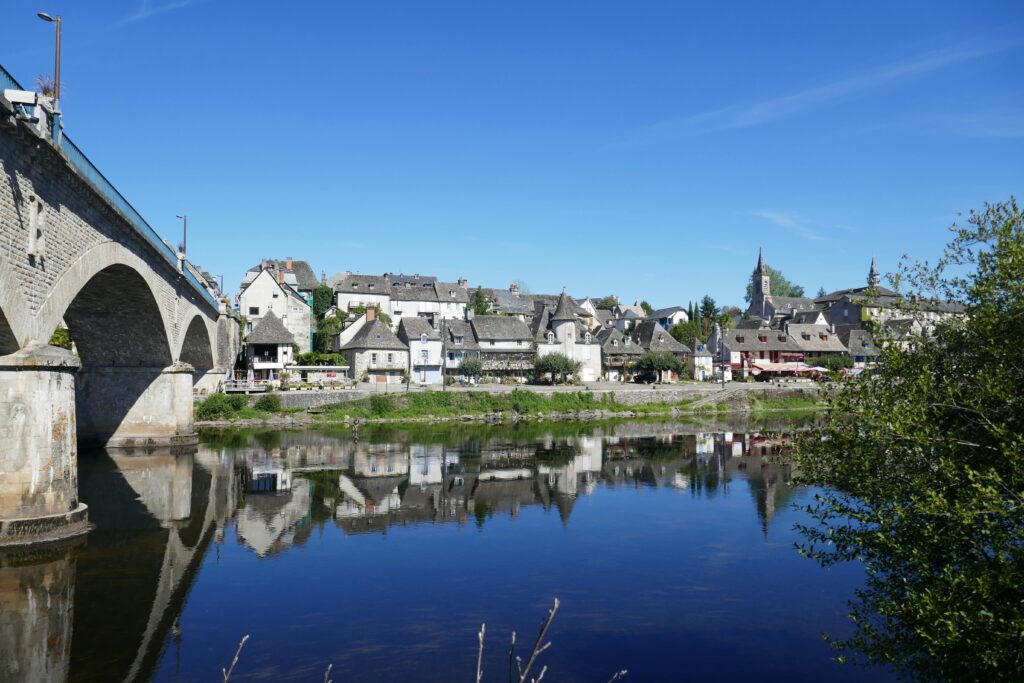
A practical snapshot for overseas retirees
Best for
Retirees seeking a high standard of living and cultural depth
People who value excellent healthcare and public services
Those comfortable navigating structured systems and regulations
Retirees drawn to regional variety within a developed country
At a glance
- Cost of living: Moderate to High
- Healthcare: Excellent
- Residency: Moderate
- English: Moderate
Cost of living overview
France offers a cost of living that reflects its status as a developed European nation. Everyday expenses such as groceries, transportation, and utilities are generally reasonable, while housing costs vary widely depending on region and proximity to major cities.
Large urban centers and well-known regions can be expensive, particularly for housing. Smaller cities, rural areas, and lesser-known regions often provide much better value without sacrificing access to healthcare or essential services.
Many retirees find that living well in France is less about spending heavily and more about adjusting expectations—particularly around housing size, location, and lifestyle pace.
Healthcare reality
Healthcare is one of France’s strongest assets for retirees.
The public healthcare system is comprehensive, highly regulated, and widely regarded as among the best in the world. Once enrolled, retirees benefit from broad coverage, predictable costs, and access to a large network of doctors and specialists. Supplemental private insurance is commonly used to cover remaining out-of-pocket expenses.
Care quality is consistently high, and the system emphasizes preventive medicine and long-term health management. For many retirees, healthcare in France feels reliable, thorough, and deeply integrated into daily life.
Residency basics
France offers residency pathways for retirees based on financial independence and private health coverage.
The process is documentation-heavy and detail-oriented, with clearly defined requirements and expectations. While timelines can be slow and procedures formal, the rules themselves are stable and transparent.
Residency typically expects a meaningful presence in the country. Many retirees choose France as a primary residence rather than a casual seasonal base.
What it feels like to live in France
Living in France often feels structured, cultured, and deliberate.
Daily life places a strong emphasis on routine, quality, and social norms. Meals, markets, and neighborhood interactions are central to the rhythm of life, and public spaces are well used and well maintained.
Culturally, France values formality, precision, and personal privacy. For retirees who appreciate order and tradition, this can feel grounding and enriching. For others, the emphasis on rules and process may require adjustment.
Lifestyle & trade-offs
Why people choose France
- World-class healthcare system
- Strong public infrastructure and services
- Deep cultural, historical, and regional diversity
- Excellent food culture and daily quality of life
- Well-developed transportation networks
Common challenges
- Higher cost of living in desirable regions
- Bureaucracy that demands patience and accuracy
- Language expectations in daily life and administration
- Housing constraints in popular areas
Who France is not for
France may not suit retirees seeking low living costs, flexible residency arrangements, or minimal bureaucracy. It can also frustrate those unwilling to engage with the language or adapt to a more formal, rule-driven culture.
Common Questions
How much French do I really need to retire comfortably in France?
Functional French is essential for daily life in France, even in areas with expat communities. While you might find English speakers in tourist zones or major cities, government offices, healthcare providers, banks, utilities, and most service interactions operate in French. Unlike some countries where English is widely accommodated, France expects residents to engage in French—it’s both a practical necessity and a cultural expectation. You don’t need perfect fluency before arriving, but you should commit to learning and improving continually. Most retirees find that conversational ability makes the difference between frustration and integration. Without it, even simple tasks become dependent on translators or bilingual helpers, limiting independence and increasing costs.
Can I access the French healthcare system as a foreign retiree?
Yes, but the pathway depends on your residency status and how you qualify. If you establish legal residency and meet certain criteria (such as living in France full-time), you can apply to join the French public healthcare system (PUMA – Protection Universelle Maladie). However, initial residency applications typically require proof of private health insurance until you’re eligible for public coverage—usually after three months of stable, legal residence. Once enrolled in the public system, you’ll pay into it through contributions or social charges, but coverage is comprehensive and costs are predictable. Many retirees also carry supplemental “mutuelle” insurance to cover co-pays and additional services. Access is achievable, but it requires navigating residency requirements and understanding the enrollment process.
Where can I find affordable living in France without sacrificing quality of life?
Affordability in France is regional. Paris, the Côte d’Azur, Lyon, and Bordeaux are expensive, but much of rural and small-town France offers excellent value. Regions like the Dordogne, Limousin, Auvergne, Brittany, and parts of Occitanie provide lower housing costs, authentic French culture, and full access to healthcare and services. These areas often appeal to retirees seeking slower-paced village life, outdoor access, and integration into local communities. The trade-off is fewer English speakers, less urban convenience, and greater reliance on French language skills. Quality of life remains high—markets, cafés, infrastructure, and social fabric are intact—but you’re choosing quieter, more traditional France over cosmopolitan France.
What’s the tax situation for American retirees living in France?
American retirees in France face dual tax obligations—both to the U.S. (which taxes citizens globally) and to France (which taxes residents on worldwide income). The U.S.-France tax treaty prevents double taxation on most income types, but navigating it requires understanding which country has primary taxing rights on pensions, Social Security, investments, and other income. France also has wealth taxes, inheritance taxes, and social charges that can affect retirees differently than U.S. domestic taxes. Many retirees hire cross-border tax advisors to structure their finances properly and ensure compliance in both countries. The tax burden isn’t necessarily prohibitive, but it’s complex and requires professional guidance to avoid costly mistakes or missed treaty benefits.
Want the deeper comparison?
This profile covers the fundamentals.
Overseas by Design evaluates France alongside other retirement destinations by examining real monthly budgets, residency pathways, healthcare access, and the practical trade-offs that emerge when countries are assessed using the same framework.