
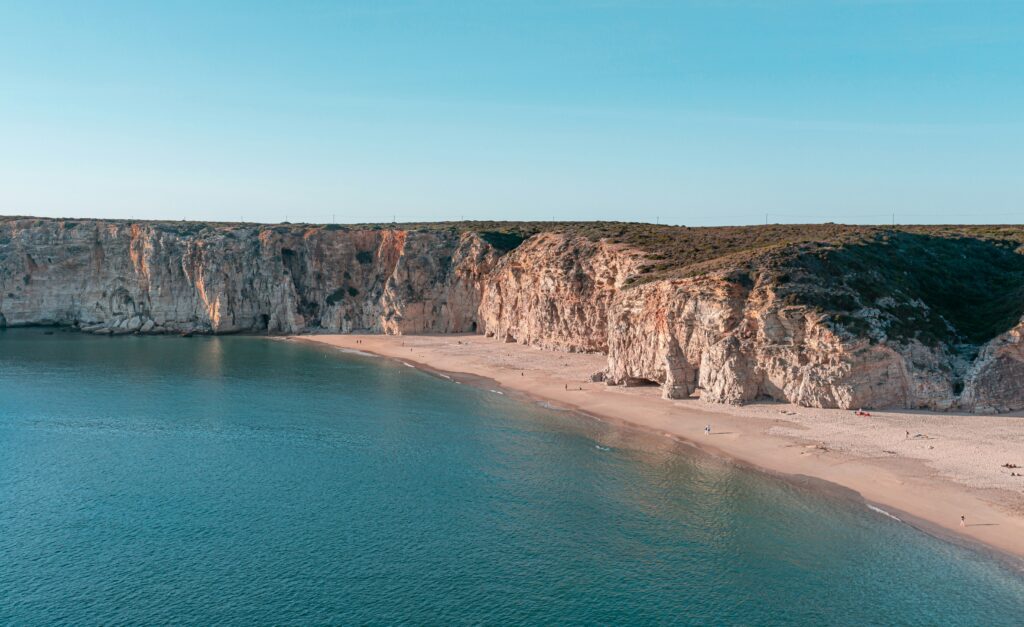
A practical snapshot for overseas retirees
Best for
Retirees seeking safety, stability, and a high quality of life
People who value accessible healthcare and walkable communities
Those drawn to European culture without extreme language barriers
Retirees comfortable with a slower pace and more structured systems
At a glance
- Cost of living: Moderate
- Healthcare: High quality
- Residency: Moderate
- English: High
Cost of living overview
Portugal offers a cost of living that feels manageable rather than cheap. Day-to-day expenses such as groceries, public transportation, and dining out are generally lower than what many North Americans expect, while housing costs vary widely by region.
Popular areas—particularly Lisbon, Porto, and parts of the Algarve—have seen rising housing prices, especially in desirable neighborhoods. Outside of these hotspots, smaller cities and inland regions often provide significantly better value without sacrificing access to services.
Many retirees find that Portugal rewards moderation. Living well is achievable without luxury-level spending, but expectations around space, housing style, and imported goods can influence overall affordability.
Healthcare reality
Healthcare is a major source of reassurance for retirees in Portugal.
The public healthcare system provides broad coverage at low cost once enrolled, while private healthcare offers faster access and greater choice. Many retirees use a combination of both, relying on private insurance or out-of-pocket care for routine needs and the public system for long-term coverage.
Medical facilities are modern, care standards are high, and English is widely spoken among healthcare professionals. For most retirees, healthcare in Portugal feels dependable and well-organized.
Residency basics
Portugal offers clear residency pathways for retirees, typically based on income and financial stability.
The process is structured and rule-based, with clearly defined documentation requirements. While timelines can vary and procedures may feel bureaucratic, the system itself is predictable once understood.
Residency generally expects a meaningful connection to the country, and many retirees choose to establish Portugal as their primary base rather than a casual seasonal option.
What it feels like to live in Portugal
Living in Portugal often feels calm, orderly, and quietly social.
Daily life moves at a measured pace, with an emphasis on routine, community, and simple pleasures. Cafés, markets, and neighborhood shops play a central role in social life, and walkability is a major quality-of-life advantage in many towns and cities.
Culturally, Portugal values politeness, restraint, and personal space. For retirees accustomed to efficiency and structure, this can feel grounding. For others, the formality and slower administrative processes require adjustment.
Lifestyle & trade-offs
Why people choose Portugal
- Strong sense of safety and personal security
- High-quality healthcare with public and private options
- Widespread English proficiency
- Walkable cities and strong public transportation
- Temperate climate and coastal lifestyle options
Common challenges
- Rising housing costs in popular regions
- Bureaucracy that prioritizes process over speed
- Lower wages and service expectations compared to North America
- Limited housing inventory in high-demand areas
Who Portugal is not for
Portugal may not suit retirees seeking very low living costs, those who want highly flexible residency arrangements, or anyone who finds structured bureaucracy frustrating. It can also disappoint people expecting fast-paced urban energy or large living spaces as a norm.
Common Questions
Is Portugal still affordable, or have prices caught up with the rest of Western Europe?
Portugal is no longer the bargain destination it was a decade ago, but it remains more affordable than most Western European countries. Lisbon and Porto now rival mid-tier European cities in cost, especially for housing. The Algarve’s popular coastal areas command premium prices year-round. However, smaller cities like Braga, Coimbra, Aveiro, and interior regions still offer genuine value—groceries, dining, utilities, and services remain cheaper than Spain, France, or Italy. The key is location selectivity. Retirees willing to live outside the main tourist circuits find Portugal affordable; those targeting trendy Lisbon neighborhoods or beachfront Algarve villas will pay Western European prices. It’s moderately priced rather than cheap, with significant regional variation determining actual costs.
What happened to Portugal’s NHR (Non-Habitual Resident) tax program?
Portugal’s NHR program, which offered a 10-year flat tax rate (often 0% or 10%) on foreign-source income for new residents, was discontinued for new applicants in 2024. It was replaced by a less generous system that still offers some tax benefits but without the dramatic advantages NHR provided. Existing NHR beneficiaries who qualified before the program ended continue receiving benefits for their full 10-year term. The change reflects Portugal’s response to rising housing costs and local frustration with foreign buyers driving up prices. For new retirees, Portugal’s tax situation is now more standard European—progressive income taxes apply, though tax treaties with the U.S. and other countries still prevent double taxation. The loss of NHR makes Portugal less of a tax haven but doesn’t eliminate it as a retirement option.
Can I get by without learning Portuguese given the high English proficiency?
English proficiency in Portugal is high, especially among younger people, tourism workers, and healthcare professionals in major cities. You can navigate tourist areas, restaurants, shops, and many services in English without difficulty. However, bureaucracy, legal matters, banks, utilities, local government offices, and most interactions outside expat/tourist zones require Portuguese. Even in Lisbon or Porto, relying entirely on English limits independence and creates ongoing friction. Most successful long-term expats develop at least conversational Portuguese—enough to handle daily tasks, build relationships with neighbors, and manage administrative needs. You won’t be stranded without Portuguese in major cities, but comfort and integration improve significantly with language skills. Outside urban centers and the Algarve, Portuguese becomes essential for anything beyond basic tourism.
What’s the reality of the housing crisis—can I actually find a place to rent or buy?
Portugal’s housing crisis is real and affects both renters and buyers. Inventory is limited, particularly in Lisbon, Porto, and the Algarve, driving competition and prices upward. Long-term rentals are scarce as many landlords prefer short-term tourist rentals (Airbnb) for higher returns. Rental laws favor tenants once established, making landlords cautious about long-term leases. Buying is competitive—properties move fast, often with multiple offers, and financing for non-residents can be challenging. Solutions: start your search early, consider less popular neighborhoods or cities, work with local real estate agents familiar with expat needs, and be prepared to compromise on location or features. The crisis is most acute in high-demand areas; smaller cities and interior regions have more availability and better pricing. It’s solvable but requires patience, flexibility, and realistic expectations.
Want the deeper comparison?
This profile covers the fundamentals.
Overseas by Design evaluates Portugal alongside other retirement destinations by examining real monthly budgets, residency pathways, healthcare access, and the practical trade-offs that emerge when countries are assessed using the same criteria.