
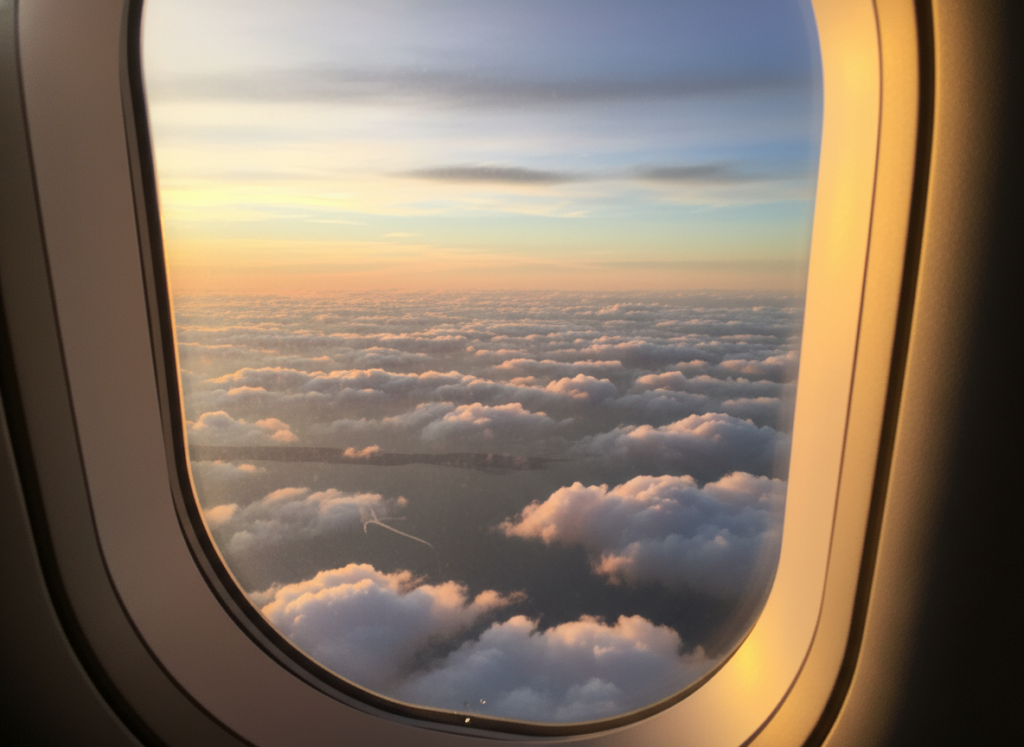
Enjoying a part time life overseas, dividing our time between home and somewhere warm and sunny sounds like the perfect retirement plan.
And in many ways, it might be.
But the more we plan for it, the more I realize it’s not quite as simple as it sounds.
We’re working toward splitting our time between here and Belize. Not full-time abroad. Not staying put. Something in between.
And the more I think about what that actually means, the more I notice something: most of the conversation around retiring overseas assumes you’re going all in. You’re leaving. You’re starting over. And you’re building a new life somewhere else.
But what about the people who don’t want to leave completely?
What does it actually look like to live part-time in two places?
Not the Instagram version. The real version.
Living in Two Versions of Your Life
This is the thing I keep coming back to: when you split your time between two countries, you’re not just dividing your calendar.
You’re dividing your life.
And every six months (give or take), you’re packing up. You’re shifting routines. You’re mentally resetting.
You get used to one place, just as it’s time to leave it. Then you arrive somewhere else and start again.
And I think that’s the part most people don’t anticipate.
You’re never fully settled. You’re always transitioning.
In one place, you’re the person who’s about to leave. But in the other, you’re the person who just arrived.
You can’t commit to things six months out because you won’t be there. Friendships might feel thinner because you’re only present half the time. You can’t fully unpack, literally or emotionally, because you know in a few months you’ll be somewhere else.
That doesn’t mean it’s bad. But it does mean it’s different. And it’s something we need to be thinking about.
I’m not sure most people think about that part when they imagine the “best of both worlds” version of this life.
The Practical Realities Add Up
Then there are the logistics.
Small things that don’t sound like much on their own, but they compound.
Managing finances across borders. Keeping track of bills and accounts in two places. Coordinating healthcare between systems. Maintaining two homes, even if one is smaller and simpler.
None of these are impossible. But they’re part of the picture. And ignoring them doesn’t make them disappear.
I think the risk is romanticizing the idea without accounting for the friction. Because there is friction. Not deal-breaking friction. Just the kind that requires more intention than staying in one place.
The Emotional Trade-Off
This might be the part I’m still working through.
Because when you live in two places, you’re never fully anchored in just one.
Which means you miss things.
You’ll miss moments back home when you’re away. Birthdays. Gatherings. The small, everyday rhythms of being present in people’s lives.
And you’ll miss parts of your life abroad when you’re here. The friends you’re starting to build. The routines you’re settling into. The slower mornings you were just beginning to appreciate.
There’s a subtle sense of being “in between.” Of never being fully here or fully there.
But here’s what I’m also starting to think: that trade-off might come with something unexpected.
When you’re only somewhere half the time, you notice it differently. You appreciate it more. You become more intentional about how you spend your days because you know they’re limited.
And you stop taking either place for granted.
And maybe that’s not a downside. Maybe it’s just a different way of experiencing both places.
I don’t know yet. We haven’t lived it. But it’s what I’m curious about.
Why We’re Doing a Part Time Life Overseas
But ultimately, for us, it comes down to balance.
We don’t want to spend every winter dealing with cold, damp weather on the West Coast. That’s never been something I’ve enjoyed, and retirement feels like the time to finally change that.
At the same time, we don’t want to walk away from family, familiarity, and everything we’ve built here.
And there’s also the financial side. Living part of the year in a place like Belize gives us more flexibility. Combined with downsizing at home and building a modest place with a couple of rental casitas, it creates a plan that’s not just appealing. It’s sustainable.
Is it perfectly simple? No.
But it feels doable. And more importantly, it feels right for us.
Not Because It’s Easy
I think that’s the part worth spending time with.
A part-time life overseas isn’t the easy version of retiring abroad. It’s not “retiring abroad lite.”
It’s a specific choice with specific trade-offs.
You’re managing more complexity. You’re always transitioning. It can feel like you’re never fully settled in one place.
But you also get something most people don’t experience. You get to design a life that doesn’t force you to choose between two places you care about.
You get the warmth and the slower pace and the financial flexibility of living abroad. And you get to stay connected to home, to family, to the life you’ve built.
It’s not perfect. It’s not effortless.
But it might be exactly what some people need.
Retirement, By Design
Retirement doesn’t have to follow a single path.
It doesn’t have to be full-time here or full-time somewhere else. It doesn’t have to be all or nothing.
Sometimes the better option is something in between.
Not perfect. Not effortless. But intentional.
For us, that’s what a part-time life overseas represents.
Not an escape. A design choice.
Maybe you are starting to have the same questions as us. And if you’re exploring where this kind of lifestyle might work best, you can browse my country profiles here.
After all, we’re also still figuring out what that actually looks like.
Still Wondering If Retirement Will Ever Work?
You’ve just read one perspective on why traditional retirement planning feels increasingly out of reach.
The Retirement Lie goes deeper — explaining why the “save more, work longer” advice was never designed for most people, and how ordinary retirees are quietly building affordable, fulfilling lives overseas instead.
It’s short. It’s honest. And it’s meant to change how you think about what’s possible next.