
A practical snapshot for overseas retirees
Best for
Retirees seeking very low living costs with a high level of daily convenience
People comfortable in a fast-changing, non-Western environment
Those who value private healthcare access and service affordability
Retirees open to cultural contrast and urban energy
At a glance
- Cost of living: Low
- Healthcare: Good (private system)
- Residency: Challenging
- English: Low to Moderate
Cost of living overview
Vietnam offers a cost of living that many retirees find dramatically lower than North American norms. Everyday expenses such as food, transportation, personal services, and dining out are widely affordable, especially when relying on local options.
Housing costs remain reasonable across most cities, with modern apartments available at prices that feel accessible even in major urban centers. Outside premium developments or expatriate enclaves, monthly expenses can remain consistently low without sacrificing comfort.
Many retirees find that Vietnam allows for a comfortable lifestyle with minimal financial pressure, particularly once daily routines adapt to local pricing and habits.
Healthcare reality
Healthcare in Vietnam is best understood as a two-tier experience.
Private hospitals and international clinics in major cities offer good-quality care, modern facilities, and English-speaking doctors. These providers are widely used by foreign residents and offer affordable access to routine and specialist care.
Public healthcare exists but is rarely used by foreign retirees due to language barriers and variable standards. Most retirees rely entirely on private care, either paying out of pocket or using international insurance. Healthcare in Vietnam often feels accessible and affordable, though not as comprehensive as in more developed systems.
Residency basics
Vietnam does not offer a straightforward long-term retirement visa.
Long stays typically rely on renewable visas, extensions, or other temporary arrangements, which can change with policy shifts. Rules are clearly stated but subject to interpretation and revision, and long-term certainty is limited.
Many retirees who live in Vietnam do so with flexibility, understanding that residency arrangements may require ongoing management rather than a one-time solution.
What it feels like to live in Vietnam
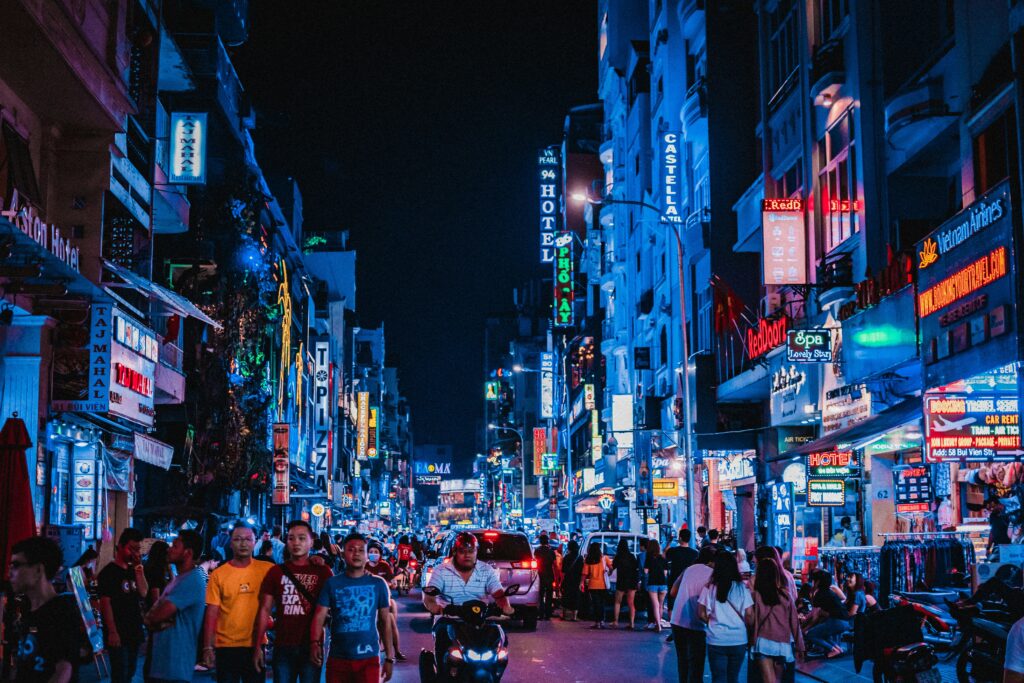
Living in Vietnam often feels energetic, social, and fast-paced.
Cities are busy and vibrant, with daily life unfolding in public spaces, markets, cafés, and street-level businesses. Services are abundant and affordable, and help is readily available for daily needs.
Culturally, Vietnam emphasizes adaptability, pragmatism, and social harmony. Communication styles and bureaucratic processes can feel indirect or opaque to newcomers. For retirees open to cultural difference and urban intensity, this can feel invigorating. For others, it may feel overwhelming.
Lifestyle & trade-offs
Why people choose Vietnam
- Very low cost of living
- Affordable private healthcare
- High availability of services and conveniences
- Strong food culture and social street life
- Rapidly developing urban environments
Common challenges
- Lack of permanent residency options
- Language barriers in daily life
- Traffic, noise, and urban density
- Environmental and air quality concerns in major cities
Who Vietnam is not for
Vietnam may not suit retirees seeking long-term residency security, quiet daily environments, or Western-style systems. It can also be challenging for those unwilling to adapt to language barriers, rapid change, and urban intensity.
Common Questions
What are the actual visa options for long-term living in Vietnam?
Vietnam doesn’t offer a dedicated retirement visa, making long-term living more complicated than neighboring Thailand. Most retirees use renewable tourist visas (1-3 months), business visas (3-12 months requiring sponsorship), or temporary residence cards (1-5 years, typically requiring employment, investment, or family ties). Many retirees work with visa agents to secure renewable business visas by establishing nominal ties to Vietnamese companies—it’s a workaround rather than a legitimate retirement pathway. The system requires ongoing renewals, exit/re-entry stamps, and compliance with changing regulations. Vietnam has discussed introducing a retirement visa but hasn’t implemented one. Long-term living is feasible but requires flexibility, ongoing expense, and acceptance that you’re never truly settled with permanent status. It’s manageable for those comfortable with visa runs and bureaucratic uncertainty.
How does Vietnam compare to Thailand for retirement?
Vietnam is generally cheaper than Thailand for housing, food, and services, offering excellent value for budget-conscious retirees. However, Thailand provides far better residency options (actual retirement visas), superior healthcare infrastructure (more internationally accredited hospitals), higher English proficiency, and more developed expat communities. Vietnam feels more dynamic and less touristy but also more chaotic—denser traffic, more pollution, less infrastructure polish. Thailand’s expat ecosystem is mature with established services; Vietnam’s is smaller and more DIY. Healthcare in both is good privately, but Thailand’s is more comprehensive. Thailand wins on ease, infrastructure, and long-term stability; Vietnam wins on affordability and authentic cultural immersion. Most retirees choose Thailand for reliability; Vietnam attracts those prioritizing budget and cultural adventure over convenience.
Is the air quality and pollution really as bad as reported?
Air quality in Vietnam’s major cities—particularly Hanoi and Ho Chi Minh City—is genuinely poor, especially during dry season (November-April). AQI readings frequently reach unhealthy levels due to traffic emissions, construction dust, and industrial pollution. Hanoi tends to be worse than HCMC, with seasonal pollution spikes that affect outdoor activities and respiratory health. Da Nang and coastal cities have better air quality. Most expats use air purifiers indoors, check AQI apps daily, and limit outdoor exercise during bad periods. Long-term exposure concerns some retirees, particularly those with respiratory conditions. It’s not exaggerated—pollution is a real quality-of-life issue in major cities. If clean air matters significantly to your health or daily enjoyment, Vietnam’s urban centers will frustrate you. Smaller cities and coastal areas offer better alternatives.
What’s the reality of healthcare quality in Vietnam’s private hospitals?
Vietnam’s private hospitals in major cities (FV Hospital, Vinmec, Family Medical Practice) provide good-quality care for routine needs, minor procedures, and diagnostics at very affordable prices. Facilities are modern, many doctors trained abroad speak English, and service is attentive. However, Vietnam isn’t a destination for complex surgeries, advanced cancer treatment, or highly specialized care—those cases typically require travel to Thailand, Singapore, or home countries. The system handles everyday health needs well but has limitations for serious conditions. Most retirees maintain international health insurance with medical evacuation coverage or plan to travel for major procedures. For stable-health retirees needing routine checkups, minor issues, and preventive care, Vietnam’s private healthcare is excellent value. For those with chronic conditions or anticipating complex care, proximity to better medical hubs matters.
Want the deeper comparison?
This profile covers the fundamentals.
Overseas by Design evaluates Vietnam alongside other retirement destinations by examining real monthly budgets, residency pathways, healthcare access, and the practical trade-offs that emerge when countries are assessed using the same framework.