

If you’ve been researching retirement abroad for more than a week, you’ve noticed something: the same countries appear everywhere. Costa Rica. Portugal. Thailand. Mexico. The headlines change slightly (“Top 10 for 2026!” becomes “Best Value Destinations for 2027!”) but the cast of characters stays remarkably consistent.
And at first, this feels reassuring. If everyone agrees these places are great, they must be great, right?
But here’s what I’ve observed after years of watching retirees actually make these moves: the countries that dominate the lists aren’t always the ones where people thrive long-term. In fact, some of the best retirement outcomes I’ve seen happen in places that barely crack the top 20.
That’s because popularity and performance aren’t the same thing. The destinations that generate the most headlines aren’t optimized for your retirement. They’re optimized for clicks, shares, and that fantasy version of retirement that looks amazing in a listicle but falls apart when you’re trying to renew your visa for the third time in a year.
The quiet retirement destinations, the ones that rarely top the rankings, often work better. Not because they’re cheaper or more exotic, but because they’re built for living, not for impressing strangers on the internet.
Costa Rica: The Headline Darling
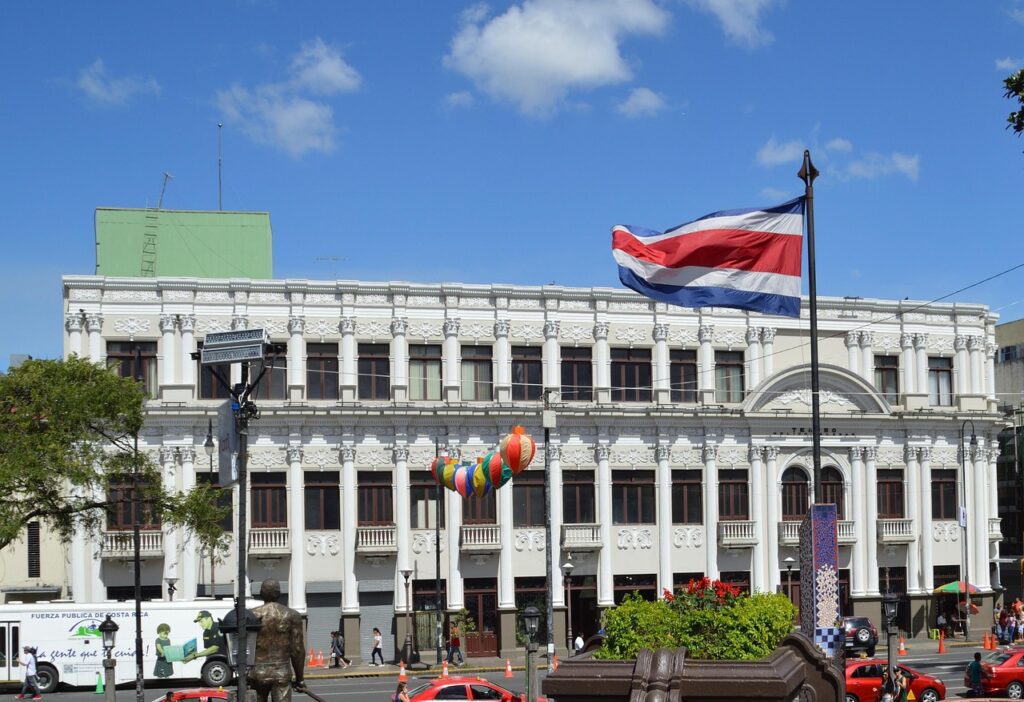
Costa Rica is retirement porn. Lush rainforests, pristine beaches, the phrase “Pura Vida” plastered on everything. It appears on virtually every retirement list, usually in the top five. The cost of living is promoted as affordable, the people are friendly, and there’s an established expat community ready to welcome you.
On paper, it’s unbeatable. In practice, it’s more complicated.
The Real Cost of Living
The cost of living in Costa Rica isn’t what the listicles suggest. Yes, you can live cheaply if you’re willing to live like a local in a rural area far from the beach towns. But most retirees end up in places like Tamarindo, Nosara, or the Central Valley near San José, where prices have been inflated by decades of expat demand and tourism. A decent rental in these areas can easily run $1,500 to $2,000 a month. Imported goods (which is most goods) are expensive. Healthcare is affordable by U.S. standards but the public system is overwhelmed and the private system, while decent, isn’t cheap.
Infrastructure and Bureaucracy Challenges
Then there’s the infrastructure. The roads are rough. Power outages happen. Internet can be spotty outside major towns. If you’re in a remote beach area (which is often what drew you there in the first place), getting to a quality hospital or dealing with anything bureaucratic means a long, uncomfortable drive.
The visa situation is another friction point. Costa Rica’s pensionado visa requires you to prove a minimum monthly income and involves a pile of paperwork, translations, and apostilles. Renewals aren’t automatic. The rules change. And if you’re not fluent in Spanish, navigating the bureaucracy can be maddening.
Who Costa Rica Actually Works For
None of this makes Costa Rica a bad choice. For some retirees, it’s perfect. But it works best for people who are flexible, adventurous, reasonably healthy, and comfortable with a bit of chaos. If you need reliability and predictability, the gap between the brochure version of Costa Rica and the daily reality can be jarring.
The issue isn’t that Costa Rica lies. It’s that retirement “experts” over-promise and under-deliver on the boring stuff that actually determines whether you’re happy there in year five.
Malta: The Overlooked Workhorse
Malta barely registers on most retirement lists. When it does appear, it’s somewhere between #15 and #25, dismissed as “expensive” or “too small” or just not exciting enough to warrant much attention. But as far as quiet retirement destinations go, this one’s right up there.
And when you talk to retirees who’ve actually lived there, you hear the same thing.
What Malta Gets Right
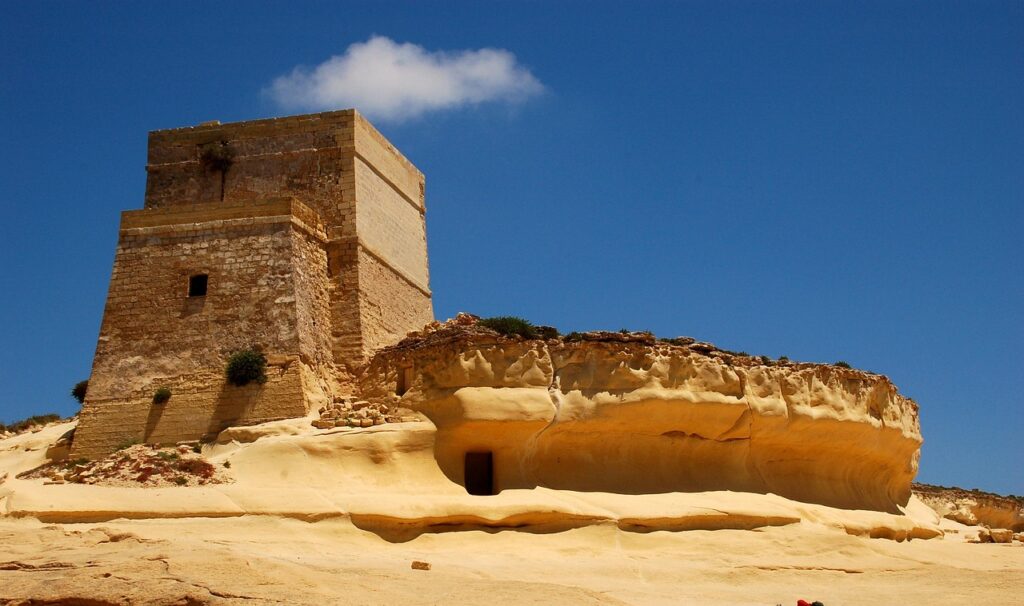
Malta is an English-speaking EU country with a functional healthcare system, reliable infrastructure, and a straightforward residency process for non-EU retirees. It’s small, yes, but that means everything is accessible. You’re never more than 30 minutes from a hospital, a major grocery store, or the airport. The public buses actually run on time. The internet works. The bureaucracy, while not thrilling, is manageable and conducted in English.
The weather is warm year-round, but not oppressively hot. You have access to the entire EU for travel. The expat community is established but not overwhelming. There are pharmacies everywhere, and they stock what you need.
The Cost-Value Equation
Is it cheap? No. A comfortable retirement in Malta costs more than one in Bali or Ecuador. But it’s cheaper than most of Western Europe, and the quality-of-life return on that investment is high. You’re not constantly problem-solving. You’re not wondering if your prescription will be available next month. And you’re not dealing with visa uncertainty or worrying about what happens if you need surgery.
Why Malta Doesn’t Top Lists
Malta doesn’t always photograph well. It’s not lush or dramatic. The beaches are nice but not breathtaking. It doesn’t give you a story to tell at dinner parties. But it gives you something more valuable: a retirement where daily life just works.
This is what I mean by quiet retirement destinations. It’s not trying to sell you a dream. It’s offering you a functional, stable, predictable life in a place with decent weather and good infrastructure. For retirees who value boring efficiency over excitement, Malta delivers.
The reason it doesn’t top the lists is simple: it doesn’t optimize for the metrics listicles reward. It’s not the cheapest, not the most exotic, not the most Instagrammable. But for a lot of retirees, especially those who’ve already done the adventure phase of their lives, Malta is exactly what they need.
France: Perfect for the Right Person
France is an interesting case because it’s both over-hyped and under-appreciated, depending on who you are.
It shows up on retirement lists regularly, usually with glowing descriptions of Provence, wine country, charming villages, world-class healthcare, and that ineffable French quality of life. All of this is true. France offers an extraordinary lifestyle if you fit a specific profile.

The Ideal France Retiree
That profile is: someone with a decent budget, a reasonable grasp of French (or the willingness to learn), patience for French bureaucracy, and an appreciation for the cultural trade-offs that come with living in France.
If that’s you, France can be incredible. The healthcare system is genuinely excellent. The infrastructure is world-class. You have access to the entire EU. The food, wine, and culture are as advertised. And if you settle in a less touristy region, the cost of living can be surprisingly reasonable.
The Language and Culture Barrier
But if you don’t speak French, France will wear you down. Unlike Portugal or Spain, where you can often get by with English in expat-heavy areas, France expects you to function in French. Doctor’s appointments, government paperwork, dealing with utilities, talking to your neighbors. All in French. Google Translate helps, but it’s not a long-term solution.
The bureaucracy is legendary. Opening a bank account takes weeks. Getting a residency permit involves multiple appointments, documents you didn’t know existed, and a level of patience most people don’t have. Everything operates on French time, which means slowly and according to rules that aren’t always clear.
Cultural Integration Requirements
And culturally, France is less accommodating to foreigners than many other retirement destinations. The French have a particular way of doing things, and they’re not especially interested in adjusting it for you. If you’re the kind of person who loves that cultural specificity and wants to integrate into French life, that’s part of the appeal. If you just want things to be easy and familiar, you’ll be frustrated constantly.
France also isn’t cheap unless you’re willing to live in the deep countryside, far from major cities and amenities. Paris and the Côte d’Azur are prohibitively expensive. Even mid-sized cities can be pricey. You’ll get quality for your money, but you’ll be spending money.
The Right Fit Makes All the Difference
None of this makes France a bad retirement destination. But it does make it a destination that works brilliantly for some retirees and poorly for others. If you’re someone who speaks decent French, values high-quality public services, enjoys cultural depth, and doesn’t mind navigating bureaucracy, France can be extraordinary. If you’re looking for ease, English-language support, and administrative simplicity, France will frustrate you.
France doesn’t make the top of retirement lists because it’s the best country. It makes the lists because it offers something specific and valuable, but only if you’re the right fit. The gap between “this is perfect for me” and “this is a nightmare” in France is wider than almost any other country.
And all over France, you’ll find the quiet retirement destinations that work well for some.
What Actually Matters Over Time
The reason quiet retirement destinations often outperform headline grabbers isn’t mysterious. It comes down to this: retirement abroad succeeds or fails based on how well a place accommodates your actual daily life, not how appealing it sounds in an article.
Costa Rica sounds incredible until you’re spending half a day dealing with a visa renewal or driving two hours on terrible roads to see a specialist.
Malta sounds boring until you realize you haven’t had to problem-solve anything in six months and your biggest stress is deciding which restaurant to try.
France sounds romantic until you’re sitting in a prefecture waiting room for three hours because you forgot to bring the right stamp on the right form.
The best retirement destination for you isn’t the one that tops the most lists. It’s the one that keeps working after the novelty wears off. It’s the one where daily life feels manageable, where you’re not constantly fighting systems or worrying about what happens next, where you can actually relax and enjoy yourself instead of treating every week like an adventure travel challenge.
Quiet retirement destinations don’t promise paradise. They don’t show up in breathless YouTube videos. They don’t give you bragging rights. But they give you something more valuable: a stable, predictable, functional life that doesn’t require constant maintenance.
If you’re ready to look past the headlines and figure out which countries actually match your specific priorities, I’ve built detailed profiles of 20 retirement destinations that go deeper than the rankings. No hype. No paradise promises. Just the real trade-offs that matter when you’re actually living there.
Still Wondering If Retirement Will Ever Work?
You’ve just read one perspective on why traditional retirement planning feels increasingly out of reach.
The Retirement Lie goes deeper — explaining why the “save more, work longer” advice was never designed for most people, and how ordinary retirees are quietly building affordable, fulfilling lives overseas instead.
It’s short. It’s honest. And it’s meant to change how you think about what’s possible next.